2. PREGNANT ANNE HATHAWAY GETS EMOTIONAL AT 'THE ODYSSEY'-THEMED BABY GIFT
from: LiveAction
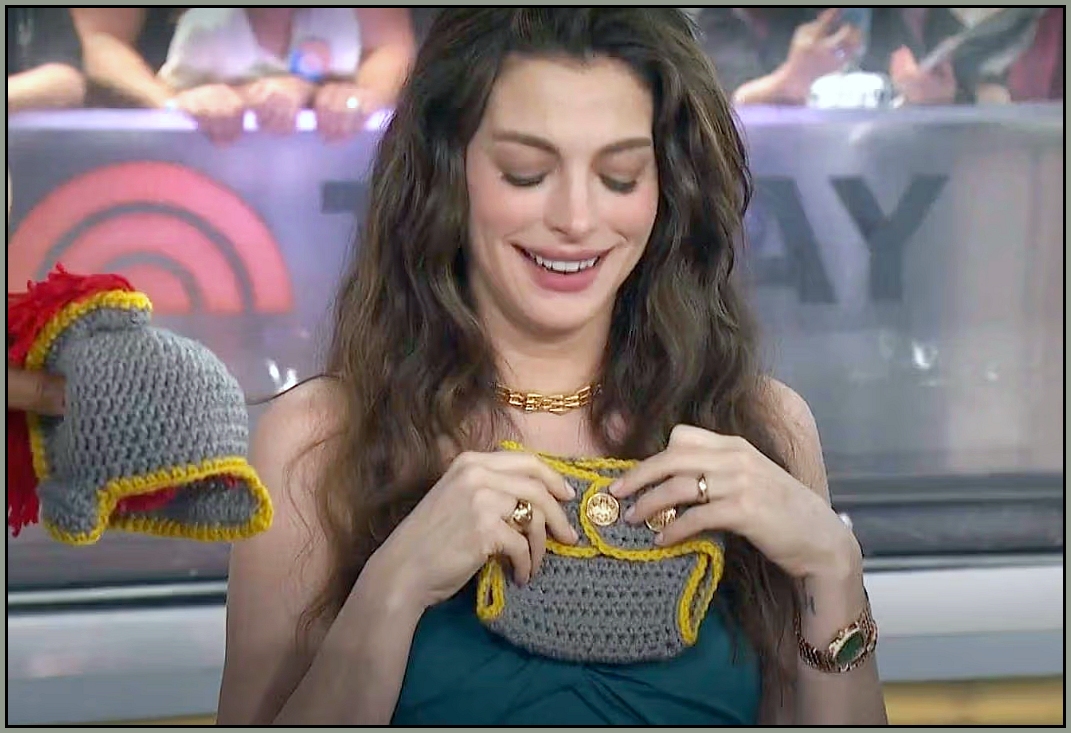 SYNOPSIS: Actress Anne Hathaway became visibly emotional during a TODAY Show interview when presented with a custom, "The Odyssey"-themed baby outfit for her third child. The handmade gift featured "The Odyssey"-inspired crocheted battle gear, including a diaper cover, a cape, and a helmet.
Hathaway, who is expecting her third child with husband Adam Shulman, has been praised for her high-level professional productivity while maintaining a focus on family life. The actress recently shared the news of her pregnancy on Instagram, stating she is enjoying a period of downtime with her two sons, Jonathan and Jack. The touching moment highlighted the humanity of motherhood and the emotional anticipation of a child, serving as a reminder of the value of life before birth.
Pray for people to realize the incongruity of one mother Joyfully anticipating the birth of her baby, while another expectant mother decides to "get rid of that lump of tissue" growing in her. Both babies are real, living human beings!
3. 'BECOMING A SILENT FRIEND TO THOSE WHO SUFFERED A LOSS' BY PASTOR VIKTOR HAIDUCHOK
from: RISU
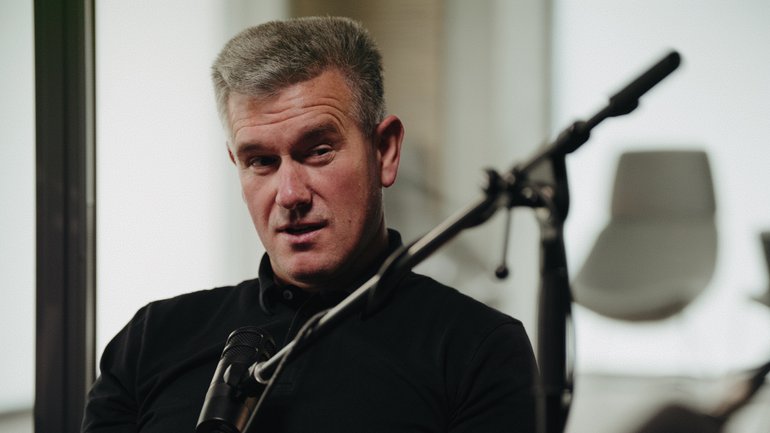 SYNOPSIS: Pastor Viktor Haiduchok, a leader at the Transfiguration Church in Lviv, has dedicated himself to providing spiritual support and comfort to families of fallen soldiers at the Field of Honor burial ground since 2022. The pastor’s commitment to ministry became deeply personal in 2023 when his son-in-law, Bohdan Rilnyk, was killed while fighting at the front. Although he believes in the necessity of national defense, he does not condemn those within the church who choose pacifism, advocating instead for mutual respect based on individual conscience.
The war prompted a significant shift in the church's mission, leading to the establishment of consistent aid programs for displaced people, wounded soldiers, and the families of those who have died in the conflict. Reflecting on his personal loss, Haiduchok finds solace in the belief that Bohdan fulfilled his mission to defend his people, and he views his own life and service as being entirely in the hands of God. The pastor highlights that genuine healing for the soul requires more than just time; it involves faith and finding strength in God, whom he describes as the ultimate Physician of the spirit.
Thank the Lord for Pastor Haiduchok's comforting the families of fallen Ukrainian solders, and pray for peace in Ukraine!
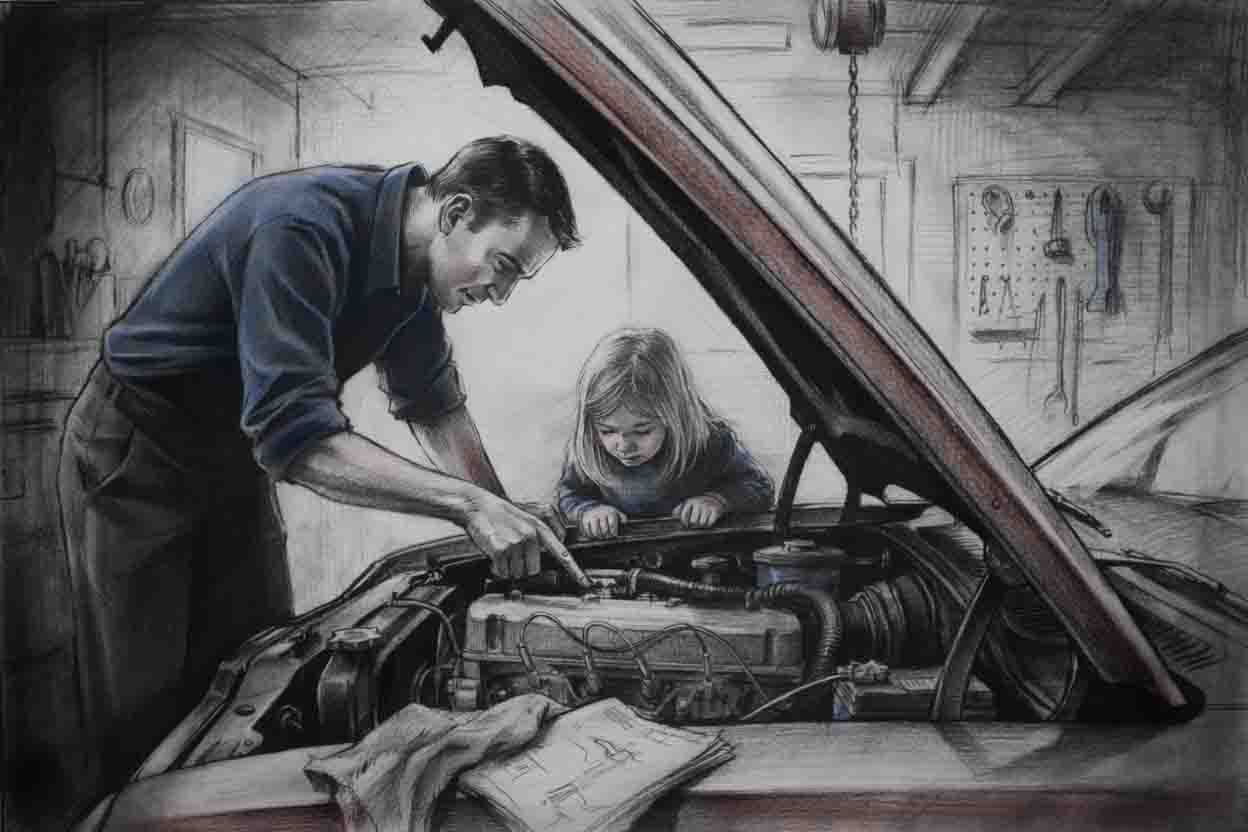 SYNOPSIS: Judie Brown, the author, emphasizes that fatherhood is a vital and irreplaceable vocation, drawing inspiration from God the Father, Saint Joseph, and personal role models like her father and husband. Pro-life advocate and world-renowned athlete Manny Pacquiao is highlighted for his efforts in promoting the value of life through media campaigns.
She explains that despite societal trends that overlook or diminish the importance of fathers, their presence is essential for the healthy development of children and the stability of the nuclear family. Referencing Saint John Paul II, she notes that the absence of a father can cause psychological and moral imbalances, while noting that fatherhood must be balanced, respectful, and free from oppressive "machismo." The article advocates for the restoration of the father's role in society, echoing Kristi Burton Brown's call to stop stripping men of their fatherhood and to allow them to actively care for their children.
Praise the Lord for fathers who take an active role in their children's lives, not succumbing to the prevalent image of "dumb dad.?
5. WHAT 1,000+ AUTISM COMMUNITY MEMBERS SAY ABOUT WELLBEING
from: Disability Scoop
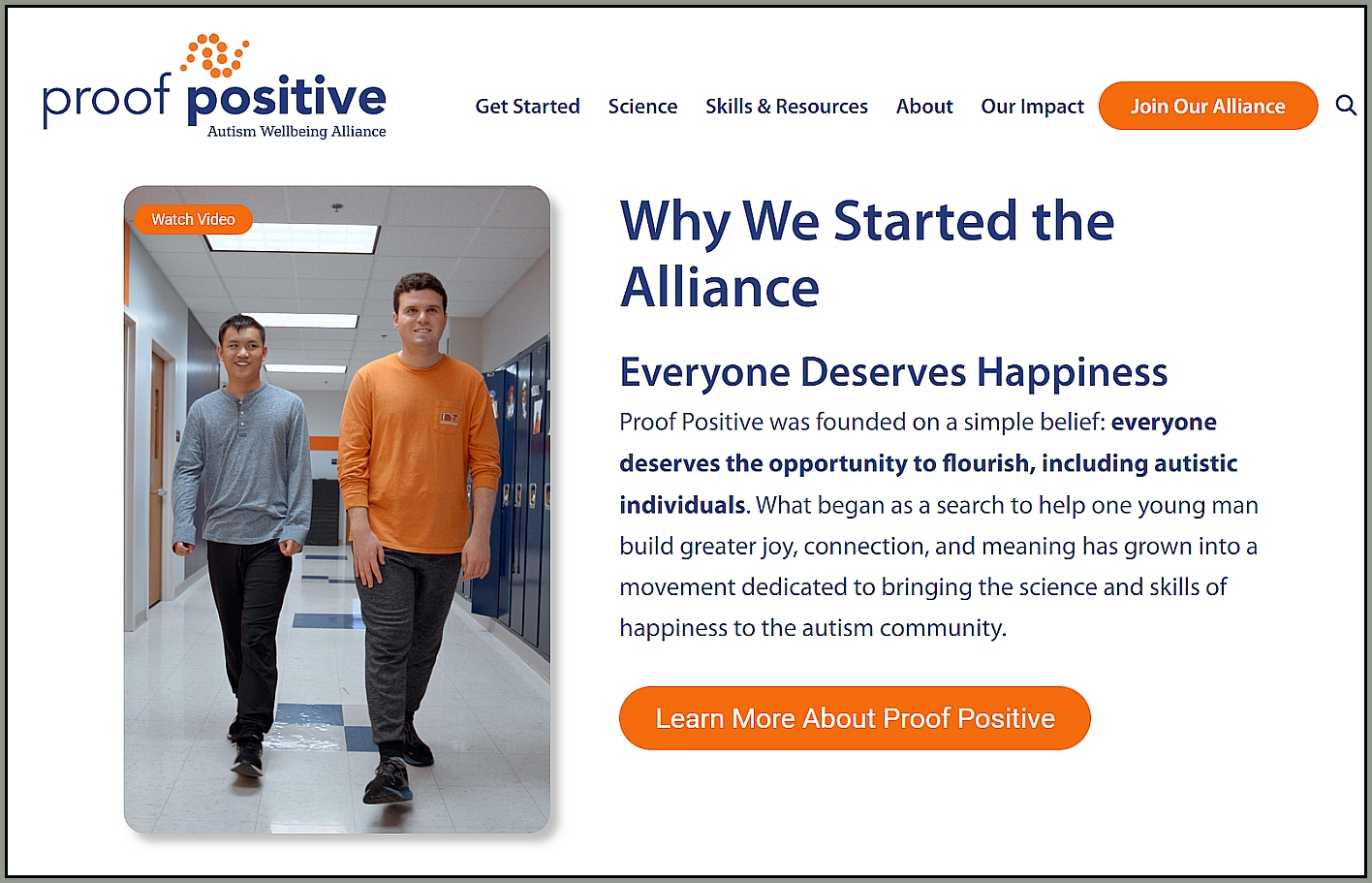 SYNOPSIS: A first-of-its-kind national survey from "Proof Positive" found overwhelming agreement across the autism community: wellbeing is essential. Yet many autistic individuals say they do not experience it as a real priority in their daily lives. "Proof Positive" surveyed more than 1,000 autistic individuals, caregivers, educators, and service providers nationwide to better understand wellbeing across the autism community.
Key findings:
* 94% say prioritizing autistic wellbeing is very important or absolutely essential
* Wellbeing ranked as the #1 priority above communication, self-care, socialization, and academics
* 89% of caregivers, educators, and providers say wellbeing is a central focus, but only 39% of autistic individuals say their support systems prioritize wellbeing that way
The message is clear: the autism community values wellbeing, but current systems often fail to measure it, prioritize it, or support it in meaningful ways. Rooted in positive psychology, "Proof Positive" creates free, practical tools and resources to help make wellbeing more accessible across the autism community. Join the Alliance (it's always free!), watch the video, and learn more!
Pray and take action in finding ways to help people with autism find ways to improve their sense of wellbeing.
6. WATCHING TOO MUCH TV IN MIDLIFE MAY SHRINK THE BRAIN
from: Science Daily
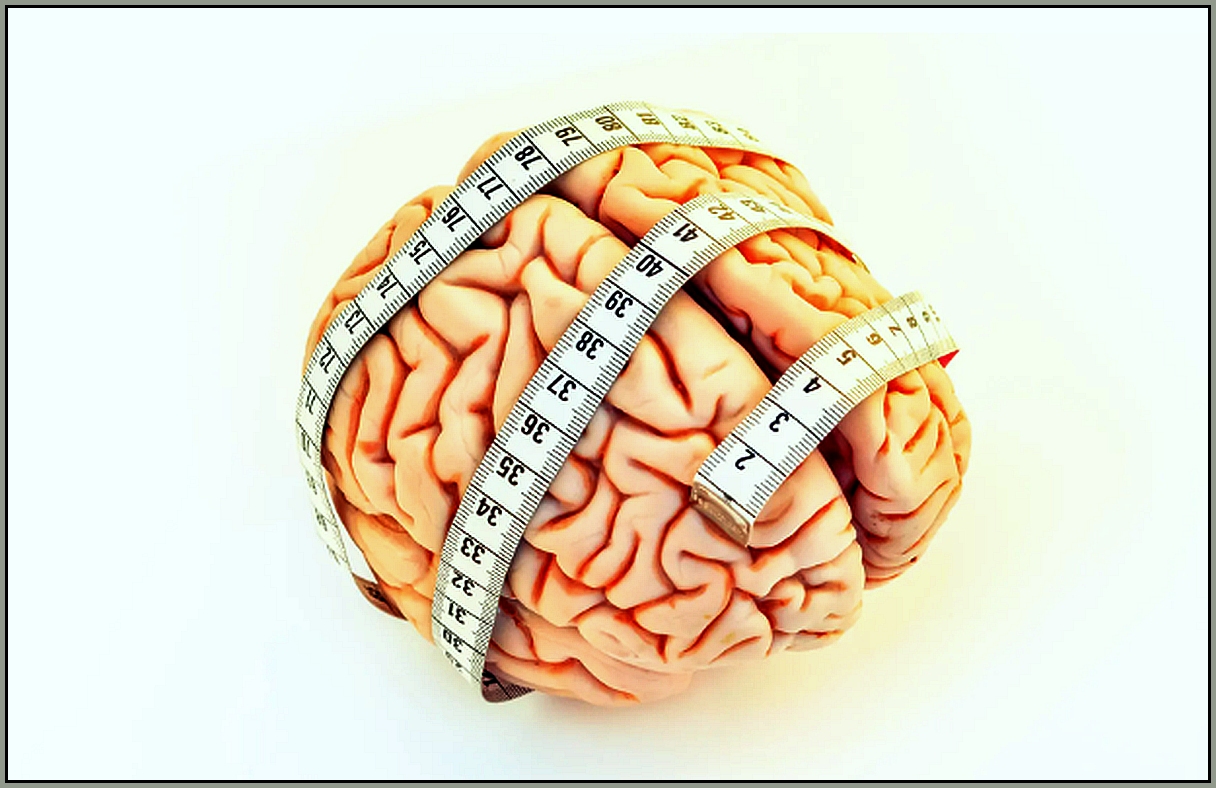 SYNOPSIS: "Turn off that TV, it'll rot your brain!" has been repeated in households for generations. A study involving 1,700 adults suggests that watching television "very often" during midlife is linked to smaller brain regions and increased white matter damage decades later. The research, led by David Raichlen and Natan Feter from the University of Southern California, indicates that these structural brain changes are associated with risks for dementia, cognitive decline, and stroke.
Contrary to common belief, the act of sitting itself is not the primary culprit, as individuals with mentally engaging jobs showed healthier brain patterns despite being sedentary at work. The findings suggest that the nature of sedentary behavior matters significantly, as passive activities like TV viewing appear more detrimental to brain health than cognitively stimulating work. Researchers observed that the negative brain effects linked to frequent TV consumption were more pronounced in men than in women. The study highlights the need for more nuanced health recommendations, encouraging individuals to prioritize mentally active pursuits such as reading over passive screen time when sitting.
Thank God for this new research, and ask Him to challenge people to be more mentally active than just watching TV..
7. LIFE IN A WHEELCHAIR: A PERSONAL LOOK AT ADA ACCESS
from: Disabled World
 SYNOPSIS: This firsthand account from a writer who spent time using a wheelchair and crutches, offering readers an honest look at how public restrooms, restaurants, convenience stores and other everyday spaces often remain difficult to navigate despite existing accessibility measures, and it is useful for seniors, people with disabilities, caregivers and anyone interested in how the Americans with Disabilities Act works in practice because it goes beyond ramps and automatic doors to describe the real world gaps that remain.
The author reflects thoughtfully on how strangers respond to a person with visible mobility needs and how a simple, respectful greeting can make a meaningful difference. He noted several factors: 1) Crutches, although brutal and awkward, are more mobile-friendly in public than a wheelchair. 2) Soap and paper towel dispensers were frequently out of reach even in accessible restrooms. 3) He performed a concert on crutches and later played a full show with their band while disabled, showing this is possible. He previously worked for an ADA funded nonprofit yet still found accessibility lacking once experiencing it directly.
Ask the Lord that people will become more aware and considerate of elderly people and those with disabilities..
IS THERE A RIGHT WAY TO WORSHIP?
(This essay is from a blog article that I posted on July 5, 2013. I'm deleting that old blog site, so I'm preserving the article here.)
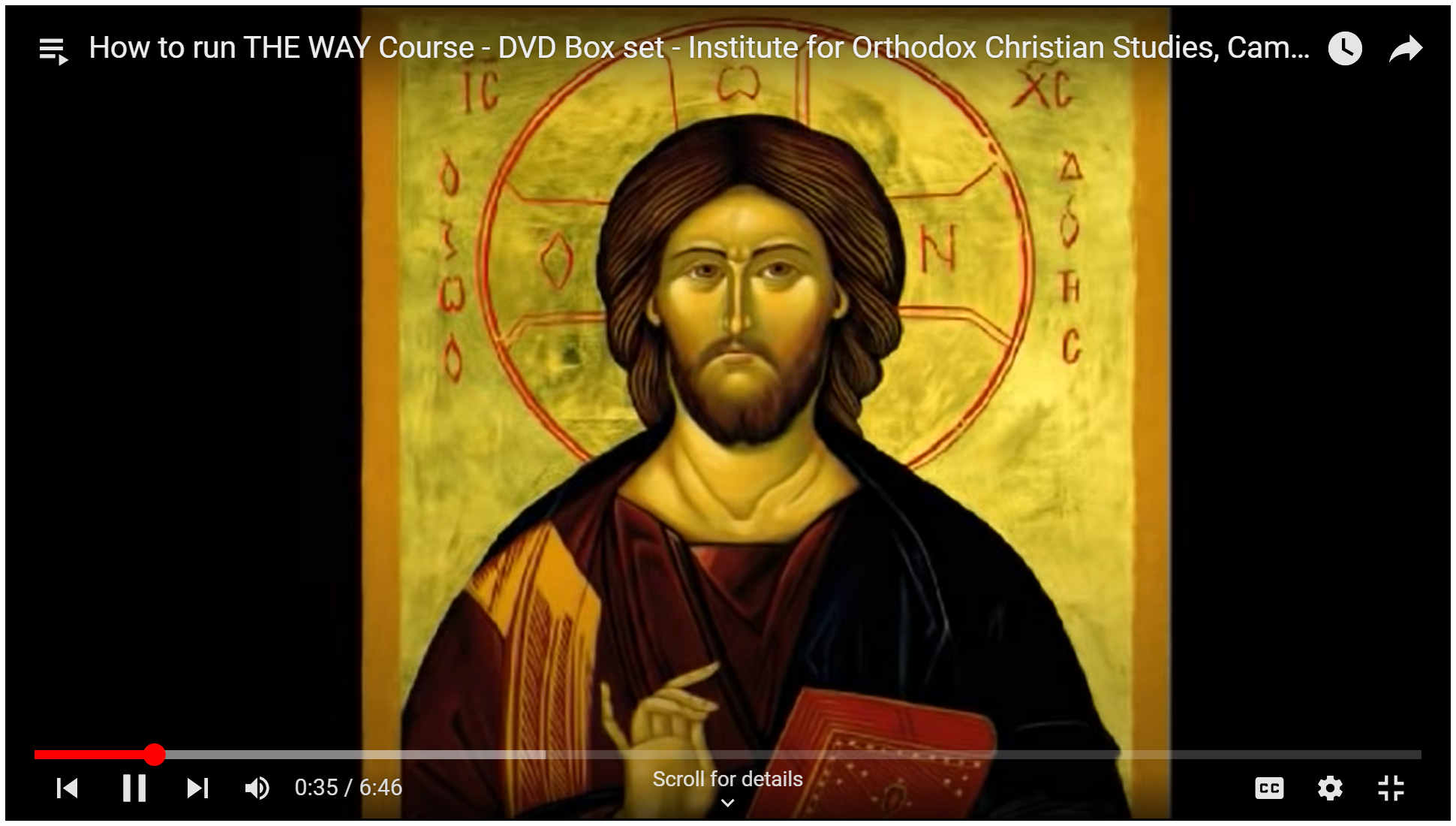 Simply put, "Yes." There is a Right Way. Jesus Christ established His Church upon the apostles and their confession of Him as the Christ, the Messiah - God's Anointed One. He is "the Way, the Truth and the Life" - click on the photo for details.
But what about all the denominations and confessions that call themselves Christian? Aren't these all acceptable variations of the Church? To answer that, we need to consider a few other questions:
First, did Christ say to Peter: "Upon this rock [Peter's confession that Jesus is the Christ, God's Anointed One] I will build a multitude of churches, each with a different set of doctrines and varying ways to worship me"? Of course not! Christ used the singular form, "Church" - one set of doctrines and one way to worship.
That's what a "church" (denomination or confession) is, or at least should be: the One Way. Only one truth can be true, the others are either a little untrue or way off-course. The alternative, that you can have your truth and I can have mine, that there are absolutely no absolutes and that's the absolute truth, is a logical absurdity. And yet, many modern denominations have fallen into this kind of relativism.
Secondly, didn't the organized church "go off the rails" when the last apostle died, or at least sometime shortly after Emperor Constantine adopted Christianity as the state religion? The notion of setting up the first-century Church as the ideal is commonly held among modern Protestants. The earlier Protestant reformers - Wycliffe, Luther, Zwingli, Calvin - however, were protesting not against the original Church of the first ten centuries, but rather against the more recent excesses and corruption of the Roman papacy such as total celibacy of the priesthood (that led to fornication and child molestation), selling forgiveness of sins ("indulgences") and selling higher clerical positions to the highest bidder ("simony").
The early reformers looked back longingly to original Christianity, the undivided Church of the first ten centuries, and its doctrines and form of worship. The Roman papacy had broken away from it in 1054 A.D. and eventually set itself up as the "Holy Roman Empire." During the Crusades, Rome attacked and plundered Constantinople, the capital of the Eastern Roman Empire, leaving it weakened and susceptible to the Muslim Turks, who finally captured the city in 1453 A.D. and renamed it Istanbul.
Hagia Sophia, the Cathedral of Holy Wisdom, was converted into a mosque, and the Patriarch of Constantinople was effectively put under house arrest, limited to just a few acres of territory, and stripped of any involvement in society. The "Orthodox" Church, the place of "right worship" (that is what "ortho-doxy" means) essentially ceased to function as an independent entity. Orthodoxy in Russia was also subjugated to the Muslim Mongols at about the same time. Thus the early reformers had nowhere else to turn, no alternative but to set up their own churches.
But after the "Magisterial Reformation" - so called because it retained the form of worship, doctrines, and hierarchical structure of early Christianity - came the "Radical Reformation" led by Thomas Muentzer, Andreas Karlstadt, Menno Simons, and others. These radicals, as the name implies, strove to do away with all hierarchy, liturgical forms of worship, and ornate art in church buildings. No bishops, no clerical garb, no set prayers, no statues or pictures of the saints... nothing was to be found in their church buildings except four plain walls, pews, and a pulpit. Some even went so far as to do away with seminary-trained, ordained pastors. This was not just a reformation, but a revolution - a complete overthrow of the old order.
Gradually over the centuries, however, the ideas of the Magisterial and Radical Reformations began to merge. Today we have denominations with no bishops and with pastors who are ordained with no seminary education (perhaps a two-year Bible college course after high school, but even that isn't absolutely necessary). Multicolored banners with little or no Christian symbols replace pictures or statues of the saints.
Some denominations still use traditional hymns, a choir, and a pulpit. More popular, though, is to use a "worship team," an electronic keyboard, drums, and guitars, but no pulpit: the preacher sits on a high stool with a microphone in front of him, or walks around the stage using a wireless microphone. In warmer climes the preacher's official garb is sandals, Bermuda shorts, and a Hawaiian shirt; in cooler places, it's sports shoes, blue jeans and a pastel (light blue, yellow or pink is "in") broadcloth shirt with the sleeves rolled up. Off-the-wall songs are projected by PowerPoint slides, often mixed together with video shows.
The result is a confusing medley of secular entertainment with an admixture of a few religious-sounding nice aphorisms such as "love one another," "acceptance" and "respect diversity." Thus the churches have become worldly and the secular world has become "churchy," all with little or no resemblance to original Christianity, the Church of the first ten centuries.
But what keeps the true, right-worshiping Church from either the tyranny of the papacy or the anarchy of the radical revolutionaries who think "It's every man for himself" (or "each person for themselves" if you prefer gender-less and ungrammatical English)? Are the only alternatives dictatorship or anarchy?
The early Church of the first ten centuries was organized by "godly men who are able to teach others," as St. Paul wrote to his disciple Timothy (2 Tim. 2:2). These "godly men" were called bishops, and they would meet together in councils in order to hash out problems that arose in doctrines and practice of worship. The infant Church of the first few centuries was certainly not ideal: it suffered from heresies and immorality, much like in later eras. In fact, ignorance of those early heresies - Gnosticism, Arianism, Nestorianism, Antinomianism, Modalism, Montanism, Universalism - that the early Church Councils condemned has tragically allowed many later would-be Christians to fall into some of these same errors.
Councils of bishops can sometimes get unruly: St. Athanasius punched out Arius for his heretical teachings. The iconoclasts at one time seized the majority and for a hundred years went about destroying icons, burning churches that contained them and even killing those who venerated the saints represented by icons. This was repeated, sadly, during the Radical Reformation.
But councils of bishops represent the best of the democratic process: godly men who are motivated by Christian principles of love and truth coming together to vote on issues of the day. Winston Churchill, when asked what was the worst form of government, replied: "Democracy... unless you consider the alternatives!" The alternatives to godly men - bishops - meeting in councils is either dictatorship of the papacy, or anarchy in which each man is a pope unto himself.
Does this mean that the Orthodox Church is perfect? No, it's still a work in process: bad apples do sometimes appear, but the Church's conciliar structure provides a self-correcting mechanism that preserves unity while avoiding heresy. Individual believers pray dozens of times in their worship, "Lord, have mercy!" because we confess that we are each "the chief of sinners." We know we must "first remove the beam out of our own eye, and then we can see clearly to remove the speck out of our brother's eye."
Yet at the same time, we acknowledge that Christ is the "head over all things for the Church, which is His Body, the fullness of Him who fills all in all" (Eph. 1:22b-23). The fullness of Christ is to be found not in individual believers, but in His Body, the Church.
If you'd like to find out more about "the Way, the Truth and the Life" go to this web page: https://discover-original-christianity.info/the_way.htm - you can watch the twelve-video course now on YouTube!
Share this essay! Go to our ARC-News blog. Also, create your own website for just a few bucks per month!
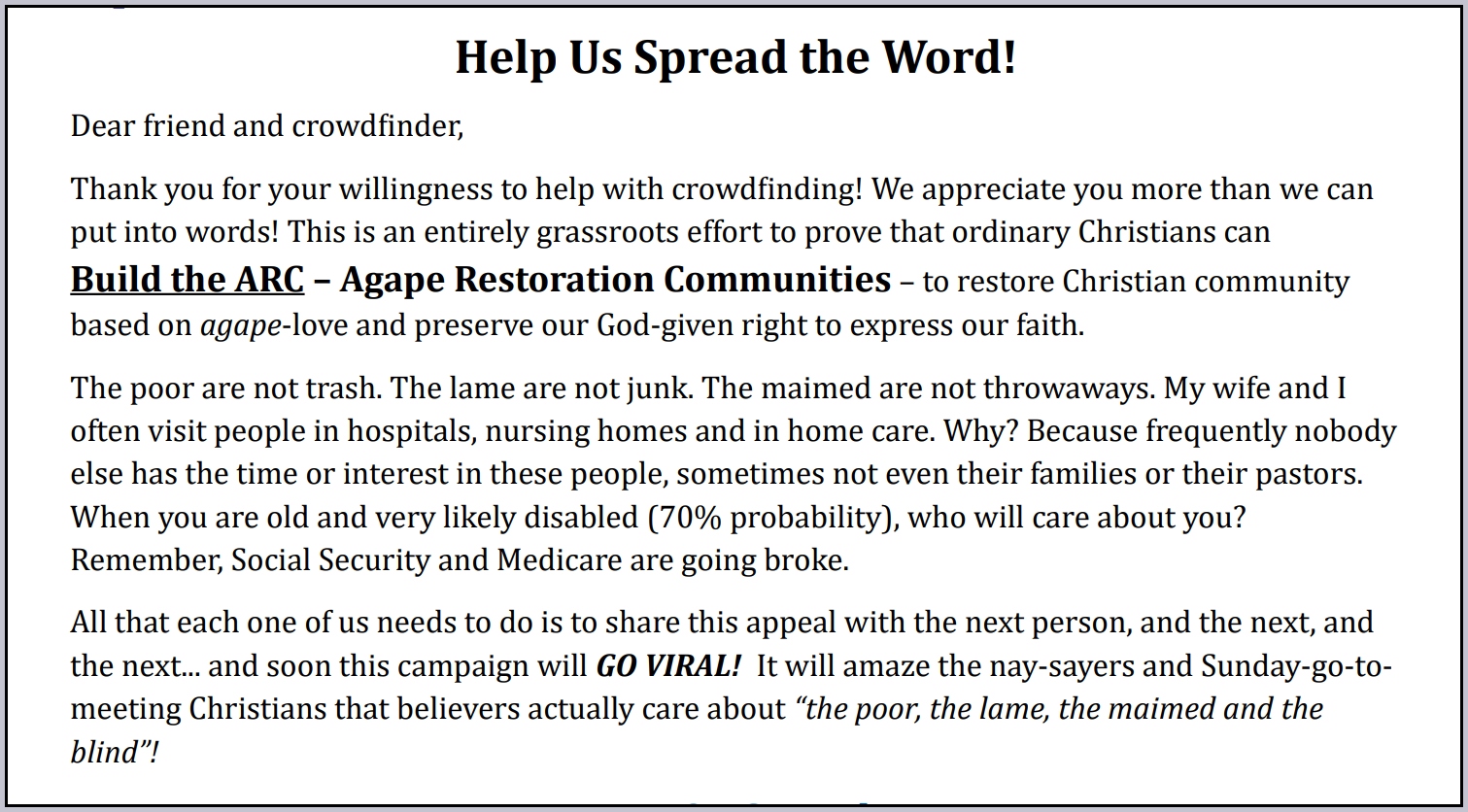 I can’t do this all alone, I need your help! (PDF) I may have a few thousand social media friends, but together we have millions and millions of contacts! The main thing isn't about raising funds – the main thing is raising a crowd, getting the word out, sharing how to help "the poor, maimed, lame, and blind."